

Tudor
Tudor Oysterdate Cronograph Ref. 79280
Tudor Oysterdate Cronograph Ref. 79280
NOT AVAILABLE
Brand: TudorTypology: Vintage chronograph
Year: 1997
In the late 1990s to early 2000s, the Tudor Oysterdate Chronograph Ref. 79280 sits in one of the most interesting transitional phases of modern chronograph production. This is the so-called “slim block” generation, a period where Tudor’s manufacturing was still deeply interwoven with Rolex industrial supply chains, well before full separation of component sourcing. The result is a watch that, in execution, feels far closer to a Rolex tool chronograph than most collectors initially assume.
The case architecture follows classic Oyster logic: 40mm proportions, screw-down construction, sharply defined crown guards and a tactile industrial finish that mirrors contemporaneous Rolex sports models. Even the pushers and crown assemblies in early B-series production frequently reflect Rolex-origin components or Rolex-grade machining standards, reinforcing the shared production ecosystem of the era. The bracelet in full steel, further strengthens this overlap, with geometry and finishing that sit extremely close to Rolex Oyster and Daytona-era bracelets.
Inside, the watch is powered by the robust ETA/Valjoux 7750 automatic chronograph calibre, a proven workhorse chosen for torque stability, serviceability, and long-term reliability.
Aesthetically, the comparison to the Rolex Daytona is unavoidable: pump-style chronograph layout, balanced tricompax symmetry, tachymeter framing, and a wrist presence that echoes the Daytona silhouette without attempting to replicate it outright. This shared visual DNA is part of the reason the 79280 has gained increasing collector attention.
The defining element of this specific example is the Silver dial with cream subcounters configuration, which in this production context represents one of the most elusive and rarer executions.
Legal guarantee of conformity
Download the notice as PDF


Specifics
-
General info
- Reference: 79280
- Serial number: B635xxx
- Case material: Steel
- Glass: Sapphire
- Caseback: Screw-back
- Case diameter: 40.0 mm
- Bezel Materials: Steel
- Dial color: Silver
- Dial numerals: No numerals
- General conditions: Great conditions
- Water resistance rate: Not waterproof
- Delivery contents: Watch with box
-
Band or Strap
- Band material: Metallic bracelet
- Lug width: 20 mm
- Buckle type: Deployant
- Buckle material: Steel
-
Movement
- Calibre: Valjoux 7750
- Movement type: Automatic
- Complications: Chronograph
Available now: Tudor
-
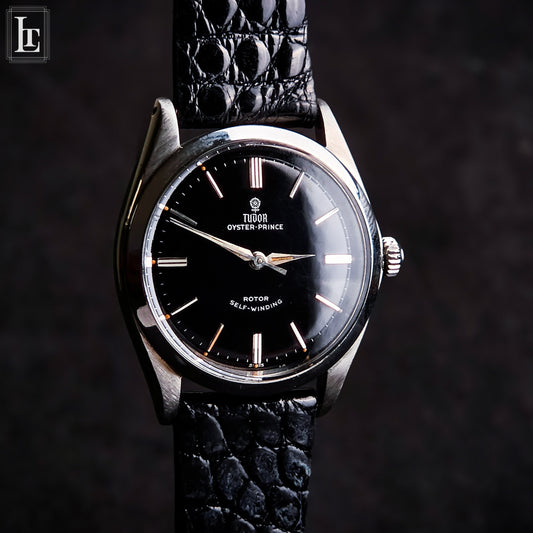
Tudor Oyster Prince Ref. 7965
Regular price €2.600,00Regular priceUnit price per -
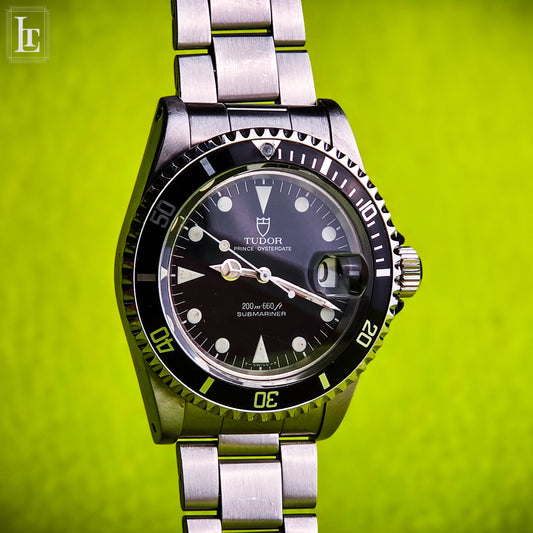
Tudor Submariner Ref.79090
Regular price €5.600,00Regular priceUnit price per