

Tissot
Tissot Chronograph gold 15.tl
Tissot Chronograph gold 15.tl
NOT AVAILABLE
Brand: TissotTypology: Vintage chronograph
Year: 1939
The piece belongs to the formative period of Swiss wrist chronograph development, when manufacturers were still experimenting with control systems, movement architecture and dial functionality before the standardization that would define post-war chronograph production.
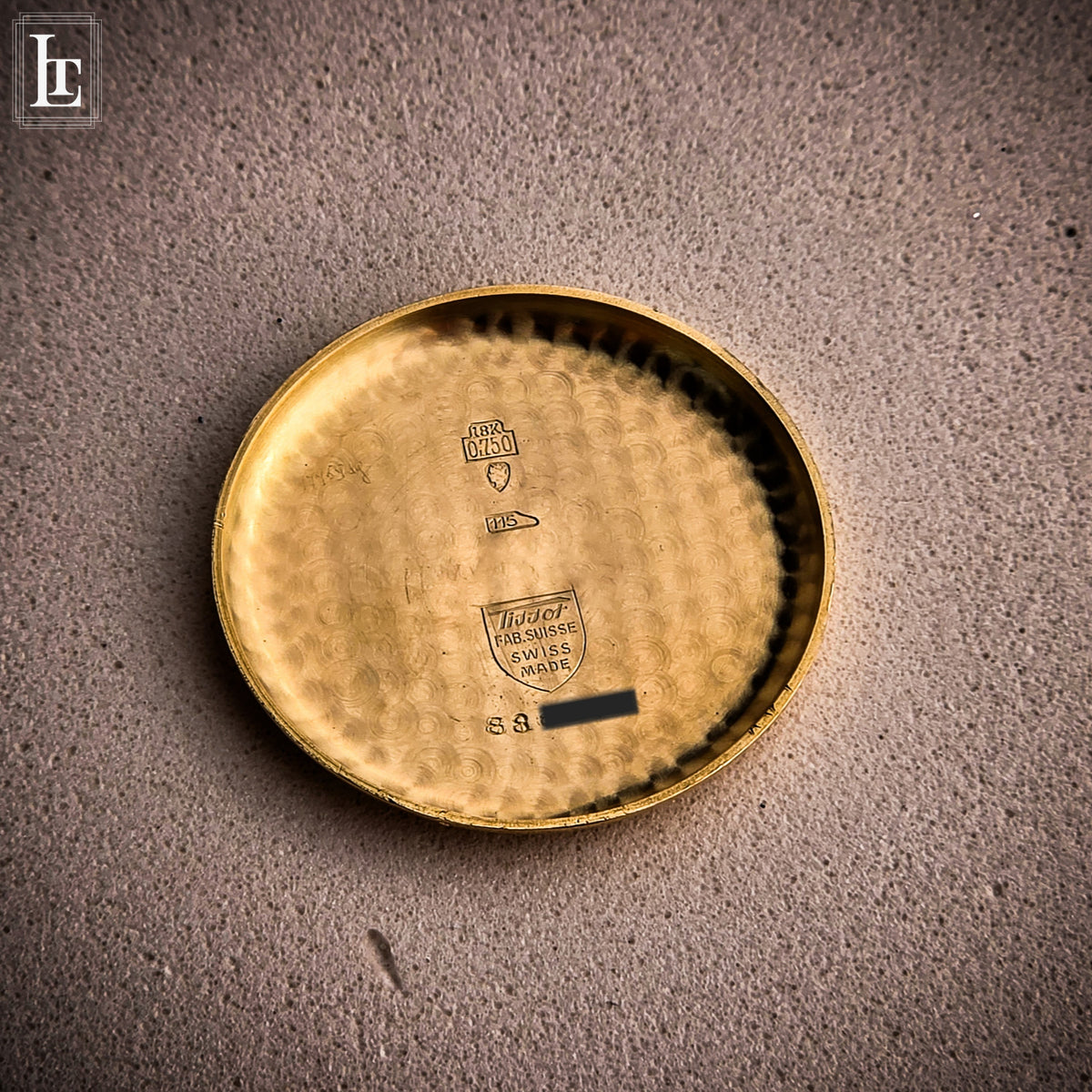
Executed in 18k yellow gold, this chronograph reflects an era when precious metal cases were reserved for technically significant instruments rather than purely aesthetic purposes. Its unusual control layout, featuring a dedicated chronograph pusher combined with a crown-integrated reset mechanism, illustrates a transitional stage in chronograph engineering, positioned between early experimental solutions and the later two-pusher configurations that would become industry standard.
The dial presents a striking bi-tone execution combined with a highly articulated multiscale layout incorporating telemeter indications and dual-color red and blue timing tracks. This layered graphical architecture belongs to a period when dial design was driven primarily by functionality, with multiple scales intended to serve practical timing applications rather than visual simplification. The richness of the printing reflects the technical ambitions of late pre-war chronograph design.
The hand-wound caliber 15TL represents one of the most important early Swiss chronograph architectures, recognized for its durability, technical clarity and historical relevance. Developed during a pivotal stage in chronograph evolution, it bridges the gap between pocket watch chronograph construction and the industrialized wrist chronograph calibers that would follow in subsequent decades.
Examples preserved in 18k gold with intact multiscale dial configurations are becoming increasingly scarce. For collectors, the significance lies not only in the precious metal execution but also in the uncommon control system, original dial complexity and historical position within the evolution of Swiss chronograph engineering.
A rare surviving example of pre-war chronograph development, distinguished by its transitional mechanics, gold case construction and exceptionally detailed dial architecture.
Legal guarantee of conformity
Download the notice as PDF


Specifics
-
General info
- Serial number: 88xxxx
- Case material: Yellow Gold 18k
- Glass: Plexiglass
- Caseback: Snap-back
- Case diameter: 36.0 mm
- Bezel Materials: Gold
- Dial color: White
- Dial numerals: Arabic
- General conditions: Great conditions
- Water resistance rate: Not waterproof
- Delivery contents: Watch only
-
Band or Strap
- Band material: Leather
- Lug width: 18 mm
- Buckle type: Classic
- Buckle material: Gold Plated
-
Movement
- Calibre: 15.tl
- Movement type: Manual wind
- Complications: Chronograph
Available now
-
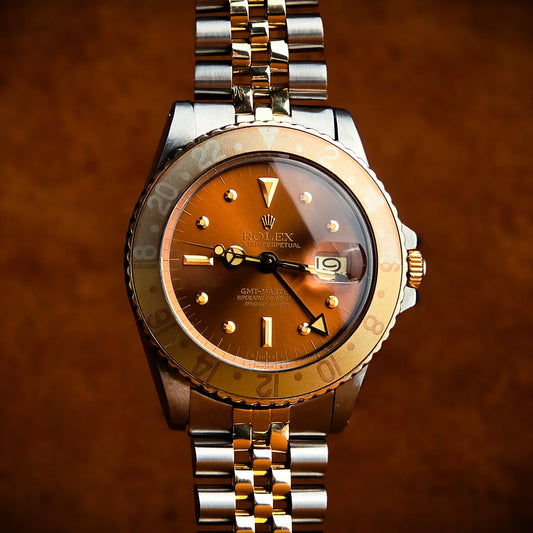
Rolex GMT Master 1675-3 “Tiger eye”
Regular price €11.500,00Regular priceUnit price per -
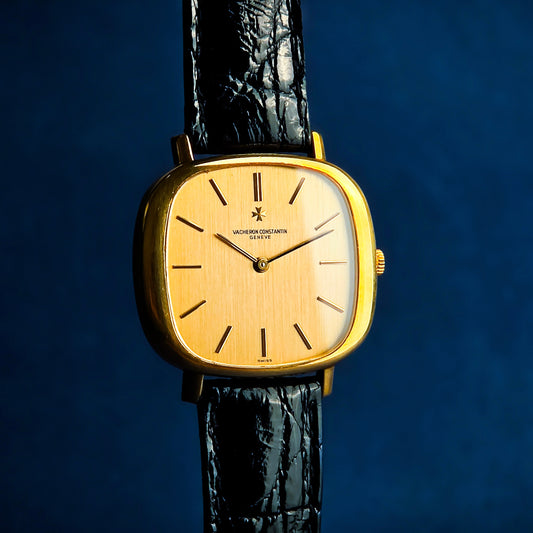
Vacheron & Constantin Oversize “TV Screen”
Regular price €7.800,00Regular priceUnit price per -
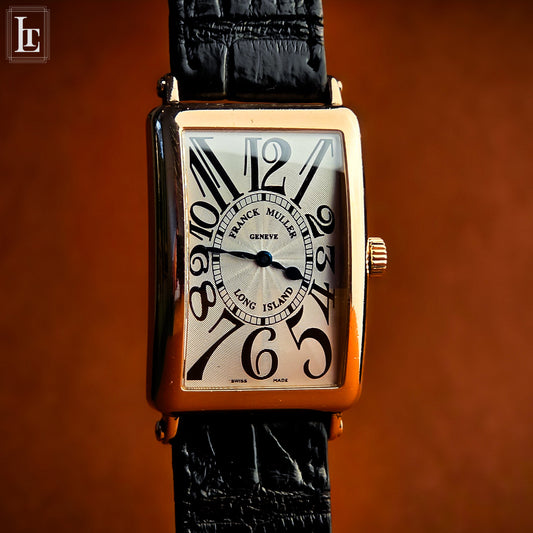
Franck Muller Long Island Full Set YG
Regular price €8.500,00Regular priceUnit price per -
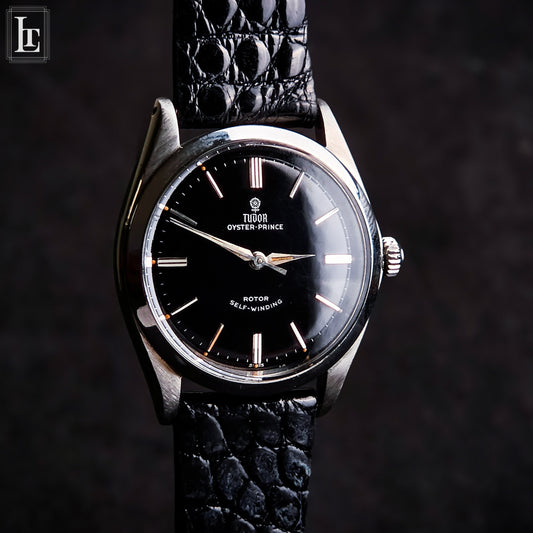
Tudor Oyster Prince Ref. 7965
Regular price €2.600,00Regular priceUnit price per