

Rolex
Rolex Cellini 18k 3831 J manual wind
Rolex Cellini 18k 3831 J manual wind
NOT AVAILABLE
Brand: RolexTypology: Vintage dresswatch
Year: 1976
In the 1960s and 70s, Rolex was not only defining the language of professional tool watches—it was equally mastering the art of refined, gold dress pieces. The Cellini line became the purest expression of this philosophy: no compromise, no sport influence, just proportion, precious metal, and understated elegance. Full gold executions, especially with integrated construction, were designed to blur the line between watchmaking and high jewelry, targeting a clientele that valued discretion over display.
This reference perfectly reflects that vision. The 18ct yellow gold case adopts a rectangular, almost architectural form, enhanced by a graduated bezel engraved with Roman numerals—an unusual and highly distinctive detail that adds depth without excess. At just 5 mm thick, the watch sits incredibly flat on the wrist, reinforcing its identity as a true dress piece. The integrated gold construction further amplifies this effect, creating a continuous, fluid presence that feels intentional and luxurious.
The champagne dial remains coherent with the overall aesthetic. Clean, warm, and minimal, it is paired with slender baton hands in matching gold tones. There is no distraction here—only harmony and proportion, exactly as intended.
Powering the watch is the manual wind calibre 1600, a robust and well-engineered movement featuring 19 jewels, straight-line lever escapement, and a monometallic balance with shock protection. It’s a pragmatic choice: reliable, precise, and consistent with the brand’s philosophy of functional excellence, even in its most elegant creations.
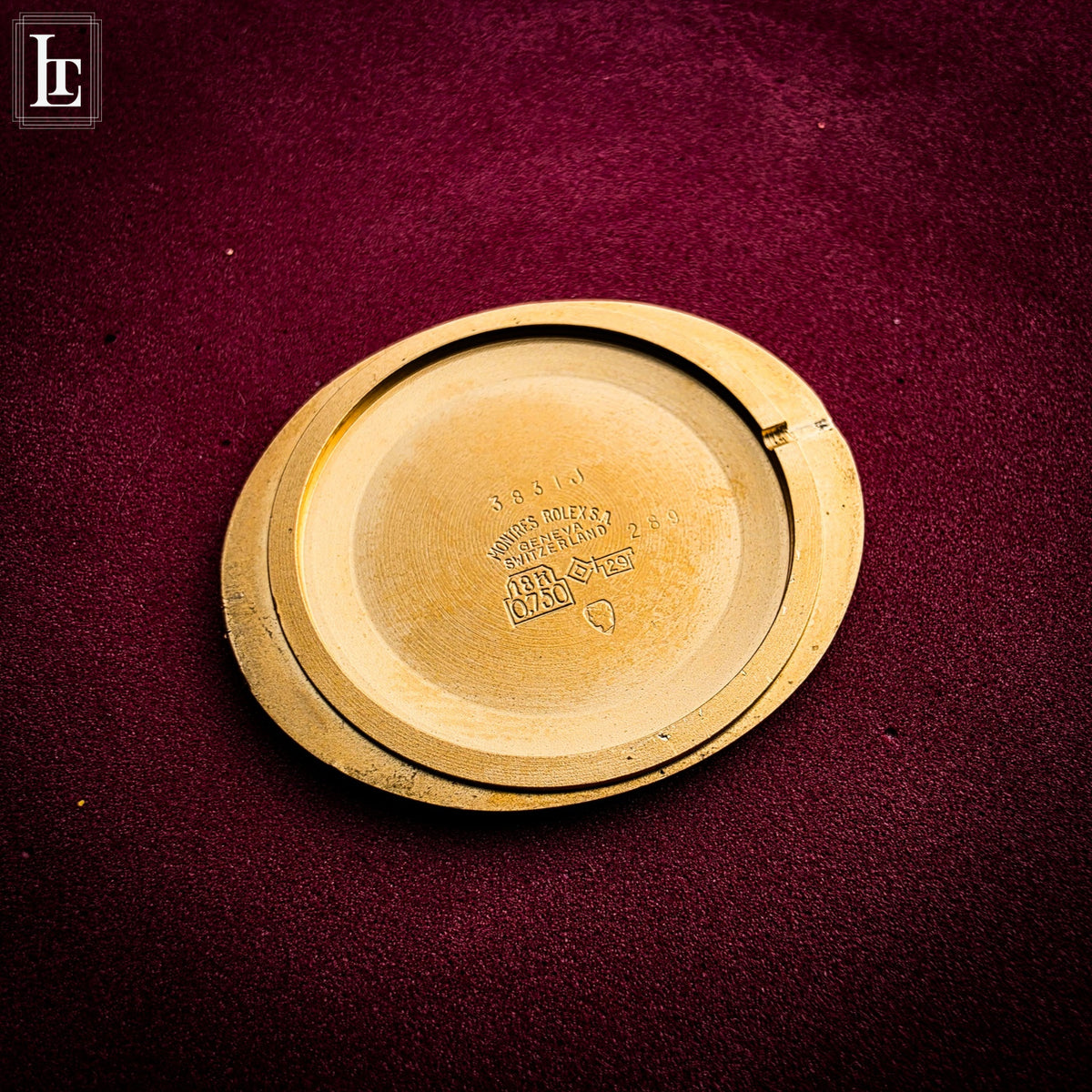
An example preserved with its original case back sticker is increasingly uncommon, adding a layer of authenticity and collector appeal to a piece that already stands out for its design integrity.
Legal guarantee of conformity
Download the notice as PDF


Specifics
-
General info
- Reference: 3831J
- Serial number: 2xx
- Case material: Yellow Gold 18k
- Glass: Plexiglass
- Caseback: Snap-back
- Case diameter: 33.0 mm
- Bezel Materials: Gold
- Dial color: Champagne
- Dial numerals: No numerals
- General conditions: Great conditions
- Water resistance rate: Not waterproof
- Delivery contents: Watch only
-
Band or Strap
- Band material: Gold bracelet
- Lug width: 18 mm
- Buckle type: Deployant
- Buckle material: Gold
-
Movement
- Calibre: Rolex 1600
- Movement type: Manual wind
- Complications: None
Available now: Rolex
-
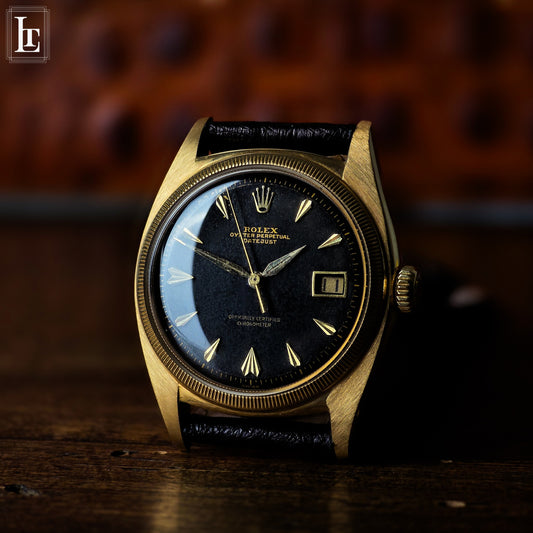
Rolex 6105 “Ovettone” gilt yg
Regular price €22.000,00Regular priceUnit price per -
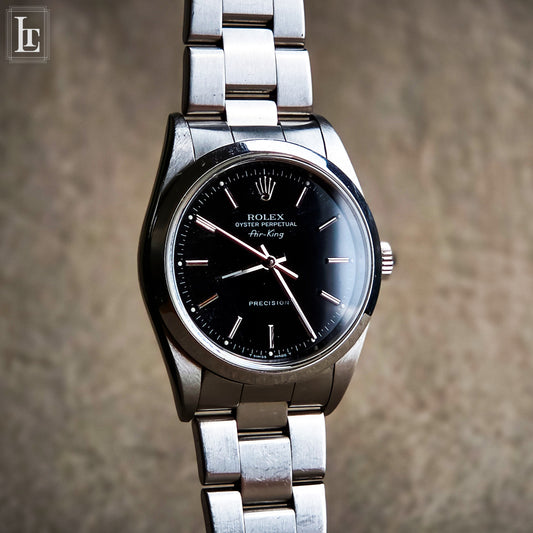
Rolex Air King 14000M Warranty Black
Regular price €4.900,00Regular priceUnit price per -
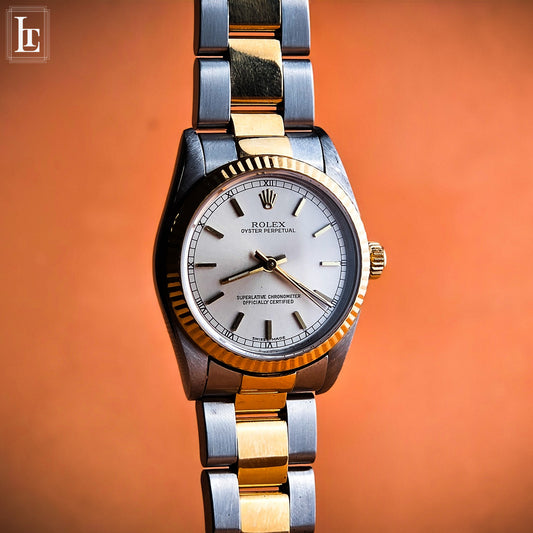
Rolex Date Boy 31 mm
Regular price €4.000,00Regular priceUnit price per -
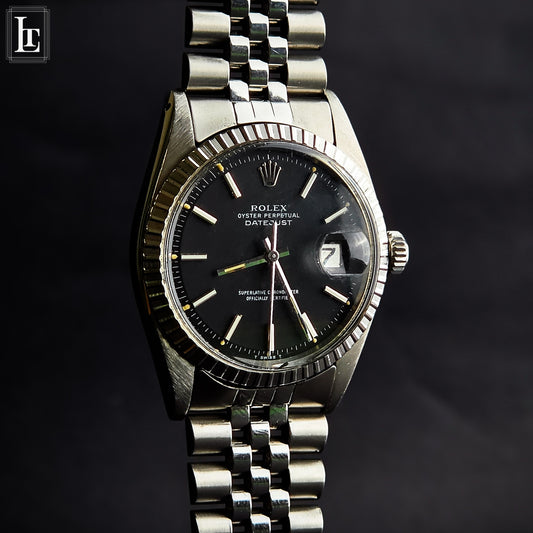
Rolex Datejust 1603 black Full Set
Regular price €6.200,00Regular priceUnit price per